Bethel AME Stands At The Heart of Black Baltimore History

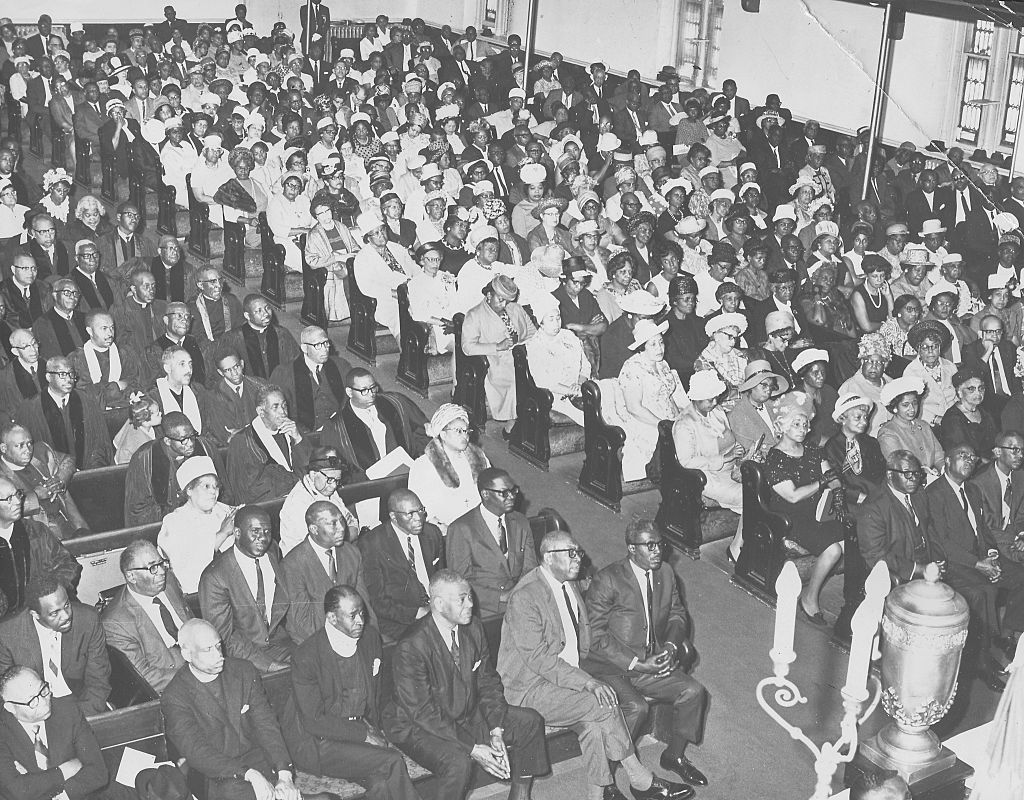
Did you know Bethel African Methodist Episcopal Church in Baltimore was founded by Black Methodists seeking freedom from segregation in white churches? For more than two centuries, Bethel A.M.E. has stood at the center of the city’s spiritual and social justice movements.
In the late 1700s and early 1800s, Methodism initially welcomed Black and white worshippers together. But growing segregation forced African American congregants into back pews and unequal treatment. Inspired by Richard Allen’s creation of the independent African Methodist Episcopal denomination in 1794, Black Methodists in Baltimore began forming their own congregations. In 1815, preacher Daniel Coker and fellow parishioners separated from Sharp Street Church to establish the African Methodist Bethel Society, which soon incorporated as Bethel A.M.E.
From its earliest years, Bethel became far more than a place of worship. It served as a hub for education, abolitionist thought, and economic advancement. Members organized resistance to laws threatening Maryland’s free Black population after John Brown’s raid and helped launch the Chesapeake Marine Railway and Dry Dock Company, creating jobs for Black workers excluded from white trades. Church leaders also founded literacy programs, aid societies, and the Douglass Institute to expand opportunity in Baltimore’s Black community.
By the mid-1800s, Bethel had grown to more than 1,500 members, and its pastors rose to leadership across the national A.M.E. Church. The congregation moved to its current Druid Hill Avenue home in 1912, where it continued hosting civil rights and Pan-African organizing through the 20th century.
Today, Bethel A.M.E. remains a landmark of faith and activism, reflecting Baltimore’s long struggle for equality and community empowerment.
Bethel AME Stands At The Heart of Black Baltimore History was originally published on 92q.com